

Winter conditions don’t go away just because the holidays are over. In fact, February is consistently one of the highest months for auto accidents due to icy roads, low visibility, and rapidly changing weather patterns.
Black ice is one of the biggest culprits. It forms quickly during overnight freezes and is nearly invisible to drivers. Potholes also worsen this time of year, thanks to freeze-thaw cycles that break down pavement. These road hazards lead to tire damage, alignment issues, and collisions.
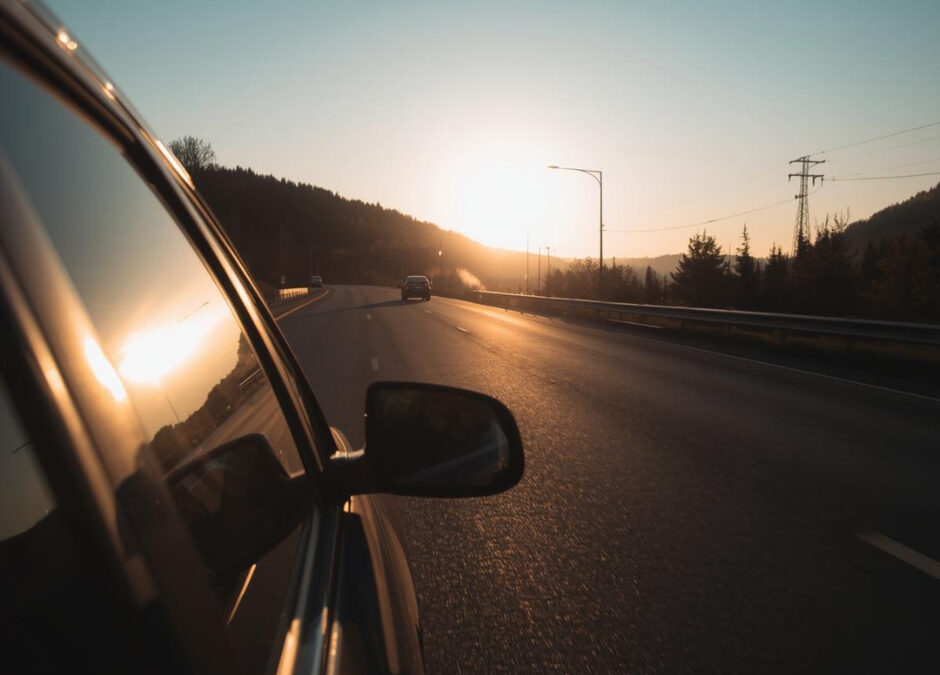
Another contributing factor is low sunlight. Shorter days mean more driving in the dark, especially during morning and evening commutes. Snow glare can also reduce visibility, making it harder to react to sudden obstacles.
Traffic patterns shift in February as well. Drivers settle back into routine schedules after winter holidays, leading to more congestion. And because people become desensitized to winter weather by this point in the season, they often underestimate risk.
Safe driving habits—like slowing down, increasing following distance, and keeping tires properly inflated—can significantly reduce accident risk. Reviewing your auto coverage in February ensures you’re prepared if an accident does occur.
With awareness and preparation, drivers can navigate February’s hazards with confidence.